

Why can some businesses update their websites in days while others spend months planning a redesign? The difference isn’t a larger development team or a bigger budget. It’s how the website was built in the first place.
For years, businesses treated websites as finished products. Launch them, leave them alone, then rebuild them every few years. That approach no longer fits today’s digital world. Customer expectations change quickly, marketing campaigns shift constantly, and new technologies continue to reshape how businesses operate. Industry experts, including Gartner, have highlighted the growing move toward composable business and modular digital architectures because they offer greater flexibility and faster innovation.
The limitations of traditional websites become obvious when businesses need to move quickly. An online retailer, for example, may need to launch a seasonal landing page, add a new payment option, or integrate an AI chatbot within days. On a tightly connected platform, even a small update can trigger changes across the entire website, making simple tasks more complicated than they should be.
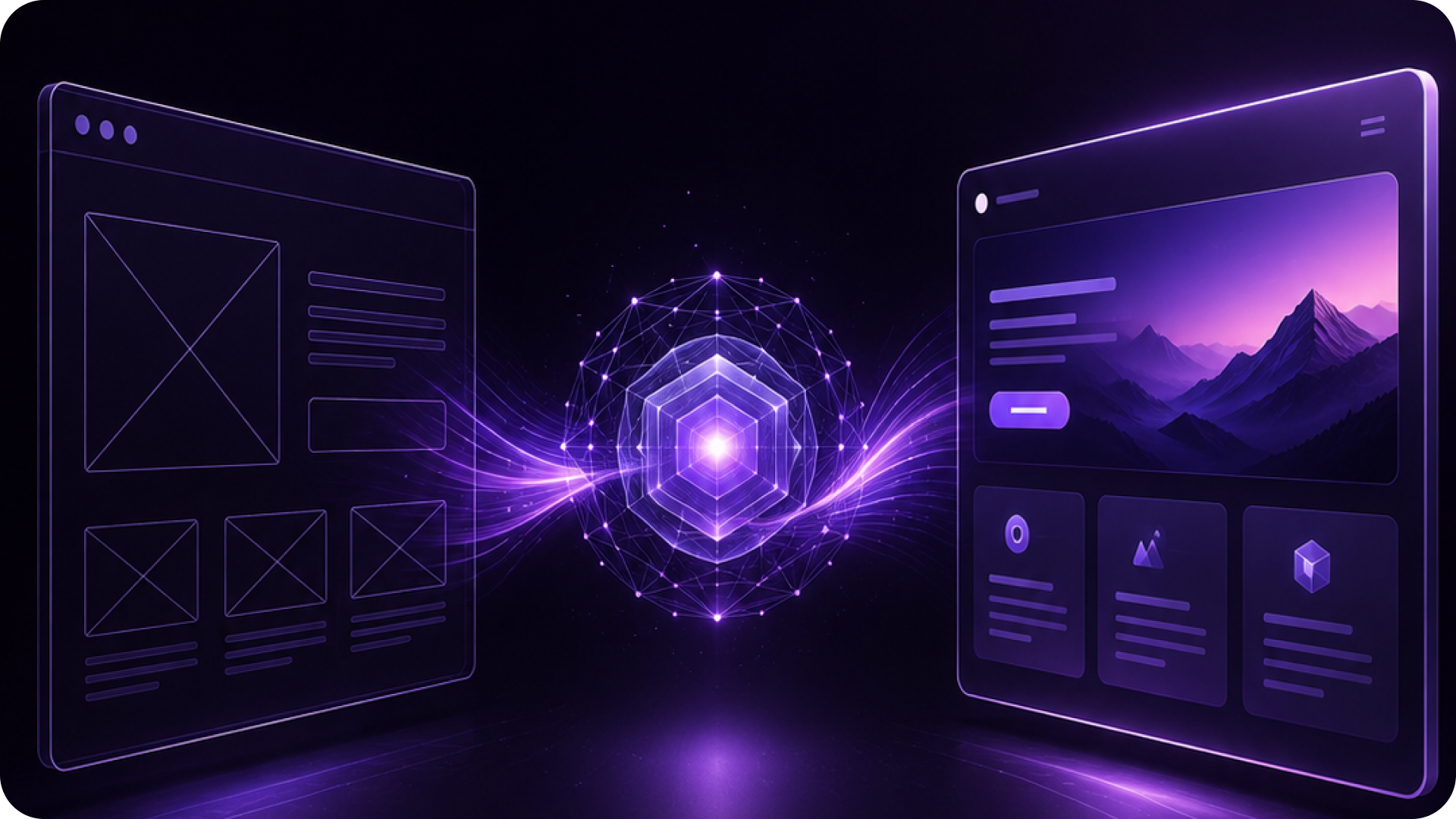
That’s why website design and development services are moving towards composable websites. Instead of building a single large platform that’s difficult to change, developers create websites using independent components that can be updated, replaced, or expanded without affecting the rest of the site. The result is faster releases, easier integrations, and a website that can keep pace with business growth.
More importantly, it’s changing the way businesses think about their websites. Instead of planning for the next major redesign, they’re investing in platforms built to evolve continuously.
Website Design and Development Services Are Solving a Different Problem
Many businesses assume they need a new website because the design feels outdated.
In reality, the bigger issue is often what’s happening behind the scenes.
As websites grow over time, they become harder to maintain. A simple update can require changes across multiple sections. Adding a booking system may involve rewriting existing code. Connecting a CRM or another business tool can become far more complicated than expected because the platform wasn’t designed with future changes in mind.
Modern website design and development services solve this by creating modular websites. Instead of rebuilding the entire platform, businesses can improve or replace only the sections that need attention, saving both time and development costs.
Websites Are Becoming Digital Products
Think about the apps you use every day. They don’t disappear every few years for a complete redesign. Instead, they’re updated regularly with new features, performance improvements, and interface refinements. Most of those changes happen without interrupting the user experience.
Websites are beginning to follow the same model.
Instead of treating a website as a one-time project, businesses now manage it as an evolving digital product. An online retailer might improve its checkout process one month, introduce AI-powered product recommendations the next, and later add a customer portal, all without rebuilding the entire website.
This continuous improvement keeps websites aligned with changing customer expectations while reducing the disruption of large redesign projects.
One Website, Multiple Digital Experiences
Traditional websites were built for a single purpose.
Composable websites can serve many.
The same content can power a company website, mobile app, customer portal, email campaign, digital display, or even an AI-powered assistant. Instead of recreating content for every platform, businesses create it once and publish it wherever customers interact with the brand.
As businesses expand across more digital channels, this approach becomes increasingly valuable.
Smarter Websites Beat Bigger Websites
Growth doesn’t always mean adding more pages.
It often means improving the customer experience.
Composable websites make it easier to introduce new features without affecting the rest of the platform. Businesses can launch an interactive calculator, test a new homepage, or create a dedicated service page without redesigning the entire website.
Growth becomes a steady process rather than a major project.
APIs Are Quietly Changing Modern Web Development
Most visitors never notice APIs, but they’re responsible for many of the features people use every day.
Online payments, appointment bookings, AI chatbots, maps, customer portals, and marketing automation all rely on APIs to connect different systems.
Businesses no longer build every feature from scratch. Instead, they integrate trusted platforms that already perform those tasks well.
An eCommerce website, for example, may integrate Stripe for payments, Google Maps for location data, HubSpot for customer management, and an AI assistant for customer support, all connected via APIs.
That’s why website design and development services now focus as much on integrations as they do on design. Success depends on how well a website connects with the wider digital ecosystem.
The Best Website Designs Are Easy to Improve
Great design is about more than colours, animations, and layouts.
The best websites are built to change.
A website that can adapt quickly is often more valuable than one filled with impressive visual effects. Businesses benefit from platforms that support regular improvements without creating delays or technical challenges.
Today, good design is measured not only by appearance but also by how well it supports long-term growth.
AI Is Speeding Up Website Evolution
Artificial intelligence is becoming part of everyday digital experiences.
Businesses are introducing AI chat assistants, personalised recommendations, smarter search tools, and dynamic content to improve customer interactions.
These technologies require websites that can quickly accept new integrations.
Traditional platforms often struggle to keep up, while composable websites are built with flexibility in mind. As AI continues to evolve, businesses with adaptable websites will find it much easier to introduce new capabilities without rebuilding their entire platform.
Businesses Are Investing in Agility, Not Just Design
A few years ago, businesses invested in websites simply to establish an online presence.
Today, they’re investing in flexibility.
Markets change. Customer expectations shift. New technologies emerge. Businesses may need to launch online booking, introduce AI-powered support, expand into new markets, or connect additional business systems. Websites that aren’t designed for change often become expensive to update.
That’s why businesses increasingly choose website design and development services that prioritise modular architecture, scalability, and seamless integrations rather than focusing solely on visual design.
The goal is no longer building the perfect website on day one.
It’s building a website that keeps improving as the business grows.
Final Thoughts
Modern websites are no longer static marketing assets. They’re evolving digital platforms that need to keep pace with changing customer expectations, new technologies, and business growth.
Composable websites make that possible by replacing rigid structures with flexible, modular components that are easier to update, integrate, and scale. Instead of planning the next complete redesign, businesses can continuously improve their websites while keeping disruptions to a minimum.
At Digital Den, our website design and development services help businesses build flexible, high-performing websites that are ready for whatever comes next. Whether you’re launching a new platform or modernising an existing one, we create digital experiences that grow with your business.